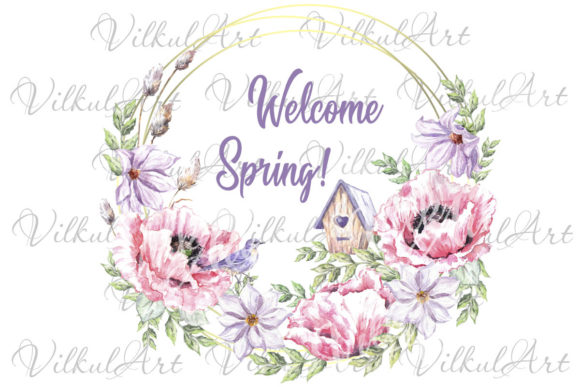
Welcome Spring: The Process-Oriented Guide to Using Your Spring Floral Wreath Sublimation Design
In the creative and entrepreneurial landscape, efficiency often hinges on having high-quality, ready-to-use assets. A Spring Floral Wreath sublimation design download represents exactly that: a specialized digital file crafted for integration into a broader production workflow. This isn't merely an image; it's a component engineered for a specific process—sublimation printing. Understanding its role within that process is key to leveraging its value effectively, whether you're a small business owner producing seasonal merchandise, a hobbyist creating personalized gifts, or a content creator developing branded materials.
The Core Asset: Understanding the Spring Floral Wreath Sublimation Design
The Spring Floral Wreath Sublimation Design is a digital artwork provided as a PNG file. The design, typically featuring blooming florals arranged in a welcoming wreath, is created in RGB color mode and at 300 DPI resolution, with dimensions around 10x10 inches. This technical specification is not arbitrary. It directly dictates where and how the file fits into your workflow. The high resolution ensures detail is preserved when transferred onto physical substrates via heat and pressure, while the RGB color profile is optimized for the digital creation and preview stages. Recognizing this file as a production-ready input, rather than a final output, shifts your approach from passive download to active implementation.
Integration into the Sublimation Production Pipeline
Sublimation printing is a multi-stage process involving design preparation, substrate selection, printer and heat press calibration, and final pressing. The Spring Floral Wreath sublimation design download enters this workflow at the initial planning and preparation phase. Before any physical action is taken, your workflow involves asset acquisition and software-based preparation. This might include:
- Downloading and securely storing the PNG file in an organized digital library, categorized by season or product type.
- Opening the file in graphic software to verify size and, if necessary, perform minor adjustments like adding text or aligning it with a specific product template.
- Ensuring your printing software is configured to handle 300 DPI RGB files without unintended conversion or compression.
This preparatory stage is critical for maintaining quality control and efficiency downstream. A mismatched resolution or color mode adjustment here can lead to blurred prints or color shifts later, disrupting the entire production run.
Practical Use Cases and Workflow Examples
The versatility of this design lies in its application across different projects, but each application follows a logical sequence. Here are specific examples of how the design integrates into real workflows.
For Small Business Product Lines
A business owner planning a spring product launch integrates the Spring Floral Wreath design early in their seasonal planning cycle. After market analysis decides on "spring floral" as a theme, the asset is acquired. The workflow progresses from design download to product mockup creation using software, then to sourcing compatible blank substrates (ceramic tiles, polyester pillows, aluminum signs). The design file interacts directly with these blanks through pre-press templates. Efficiency is gained by batch-processing designs onto multiple product templates in one software session before sending to the sublimation printer. Consistency across product types is maintained by using the same unaltered core design file.
For Hobbyists and Personal Project Crafting
A hobbyist creating personalized gifts for an event integrates the design after the project concept is solidified. The decision to make a welcome sign for a spring gathering triggers the download. Their workflow is simpler but still process-oriented: download, print onto transfer paper using a calibrated sublimation printer, and press onto a pre-purchased, coated blank. The key interaction here is between the design file and their specific printer settings; a test print on plain paper might be a quality-control step to check size and alignment before using the expensive transfer paper.
For Educators and Content Creators
An educator creating visual aids or a blogger producing branded merchandise uses the design as part of a content development workflow. It might be integrated after conceptualizing a spring-themed lesson or promotional campaign. The file is not just printed; it could be used digitally in promotional graphics showcasing the physical product, demonstrating how one asset feeds multiple output channels. The design interacts with marketing calendars, content schedules, and asset management platforms.
Factors for Successful Implementation
Smooth integration requires attention to several practical factors beyond just having the file.
Preparation and Compatibility Checks
Before the design enters your active workflow, ensure compatibility. This means verifying your sublimation printer and heat press can handle a 10x10 inch transfer area. Check that your graphic software (like Photoshop, GIMP, or specialized sublimation software) can open PNGs and that your color management settings are configured for sublimation, acknowledging that screen colors may vary. This pre-flight check prevents mid-process failures.
Organization for Long-Term Use and Efficiency
Treating the Spring Floral Wreath Sublimation Design as a reusable asset is a workflow efficiency. Store it logically in a cloud folder or local directory named "Seasonal Designs/Spring" alongside any project notes or templates. This organization means next year's spring planning cycle can begin instantly by accessing this file, eliminating redundant search or purchase time. For businesses, this builds a consistent, recognizable brand aesthetic across years.
Managing Quality and Variation
The listing rightly notes that actual colors and results may vary from screen to screen and printer to printer. This is not a flaw but a variable in the process. Integrate a standardization step: create a small physical sample print using your standard settings and substrates. Use this sample as a reference benchmark for all subsequent production using this design. This sample becomes a quality-control tool, interacting with your production workflow as a constant comparator, ensuring consistent outcomes despite digital variation.
Optimizing Your Workflow Around the Digital File
To fully capitalize on the download, consider structuring your broader creative or production workflow to accommodate such digital assets seamlessly.
- Establish a Digital Asset Library: Dedicate a central repository for all sublimation designs, with metadata like theme, size, and date acquired. This makes retrieval and combination (like mixing floral wreaths with text designs) faster.
- Develop a Pre-Press Checklist: A simple list—verify file dimensions, check software settings, confirm substrate compatibility, run a test print—can systematize integration and reduce errors.
- Batch Process Where Possible: If producing multiple items, prepare all design placements and print files in one session before moving to the physical printing stage. This maximizes the utility of the single downloaded file across multiple products.
The Spring Floral Wreath Sublimation Design download is a catalyst for a productive outcome. Its value is realized not at the moment of download, but through its thoughtful placement into your established or newly formed workflow. By viewing it as a key input in a process that involves technology, materials, and your own creative or commercial goals, you transform a simple digital file into a consistent, high-quality spring-themed result. Whether that result is a product for sale, a gift for a friend, or a visual for your brand, the effectiveness of the entire endeavor hinges on how you integrate the asset into the flow of your work.