Crafting with Intent: The Strategic Value of Floral Border Dye Sublimation Stationary
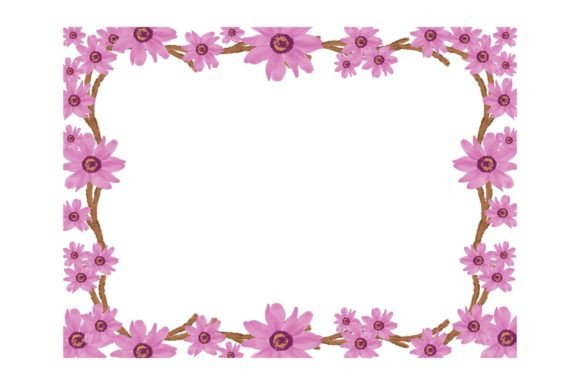
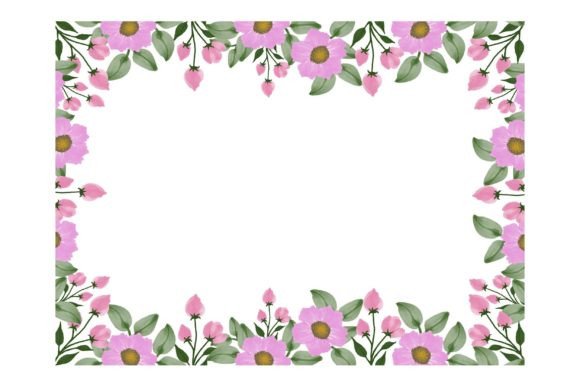
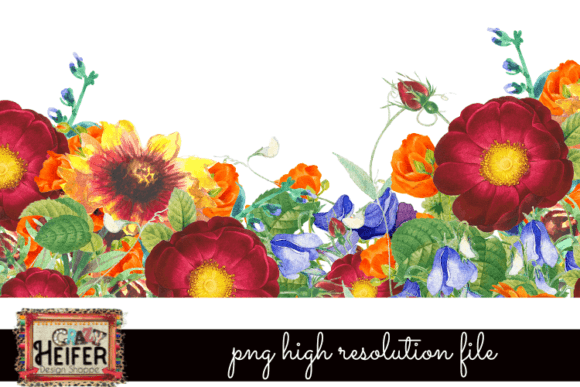
For creators and entrepreneurs in the dye sublimation and craft industries, assets are often judged by their versatility. A truly valuable tool is one that serves multiple functions across different projects and mediums, reducing the time spent sourcing materials and increasing creative output. The Floral Border Dye Sublimation Stationary represents precisely this kind of strategic asset. It is a high-resolution PNG image designed at 300dpi, featuring a delicate and elegant floral border that extends exactly 12 inches in length, making it perfectly compatible with the ubiquitous 12”x12” paper format. But its utility extends far beyond simple dimensions.
Beyond a Pretty Design: Defining Strategic Utility
At its core, this stationary is a foundational design element. It is not merely a decorative piece but a repeatable, scalable border that can frame and enhance a wide array of creations. The high-resolution 300dpi specification ensures that the image retains its crisp detail and vibrant color when transferred onto various substrates, a critical technical consideration for professional-quality results. Understanding this asset as a foundational element shifts the perspective from random use to intentional application. It becomes a component in a system of creation, much like a typeface or a color palette in a brand identity.
Why is this strategically useful? For small business owners producing custom apparel or merchandise, it provides a consistent aesthetic touch that can elevate a product line without requiring custom illustration for every new item. For hobbyists and educators in scrapbooking or fabric making, it offers a reliable, beautiful border that saves time and ensures a polished look. Its design neutrality—a classic floral pattern—means it can adapt to various themes: romantic, rustic, vintage, or simply elegant, supporting a creator’s goals of cohesive visual communication without locking them into a single, overpowering style.
Intentional Application Across Key Projects
Thoughtful use of the Floral Border Dye Sublimation Stationary begins with mapping its potential against your specific goals. Its perfect length for 12”x12” paper makes it an immediate fit for scrapbook pages and square fabric panels, but its sublimation-ready format unlocks commercial and artistic applications.
- Product Enhancement for Merchandise: Applying the border along the hem of a t-shirt, the cuff of a sock, or as a framed edge on a tote bag instantly adds a value-perceived detail. This can differentiate your products in a crowded market, supporting branding goals through subtle, consistent design language.
- Cohesive Wall Art Series: Using the border as a uniform frame across a series of sublimation prints for wall art creates a curated collection. This approach aids in positioning your work as professional and thoughtfully composed, appealing to customers looking for coordinated home decor.
- Operational Efficiency in Craft Production: For creators running small operations, having a go-to, high-quality border asset reduces design time per unit. This efficiency supports scalability, allowing you to focus on other aspects of your business, like marketing or customer experience.
- Educational and Workshop Materials: Educators teaching dye sublimation or scrapbooking can use this stationary as a standardized teaching tool. Providing students with a reliable, professional-grade asset helps them achieve better results faster, enhancing the learning experience and the perceived value of your instruction.
Planning Your Approach: Considerations Before You Begin
Relying on any design asset without clear context can lead to generic outcomes. Before integrating the floral border into your workflow, consider your overarching objectives. Are you aiming for brand consistency, maximum creative variety, or rapid prototyping? The border can serve all these, but your approach will differ.
For branding, decide on a limited and specific application—perhaps only on the interior label area of apparel or as a signature border on all your mug designs. This restraint makes the border a recognizable signature. For creative variety, experiment with combining the border with other elements. It can serve as a top frame for a photo on a tumbler, or be layered with text for a greeting card sublimated onto a coaster. The key is to treat it as a module within a larger composition.
Also, consider the substrate. While the image is perfect for paper and fabrics, test its visual weight on different items. A densely floral border might be stunning on a large wall art piece but could feel overwhelming on a small keychain if not scaled appropriately. The 300dpi resolution gives you the flexibility to scale down without quality loss, but the artistic impact should be part of your planning.
Risks of Unconsidered Use and How to Mitigate Them
The primary risk of using this stationary without intention is design dilution. If the same floral border appears on every product you make in the same way, it can make your portfolio look monotonous and templated, potentially harming your brand’s perception of originality. Similarly, in scrapbooking, overuse on every page can make a project feel repetitive rather than curated.
To mitigate this, establish rules for yourself. Use the border as an accent, not a dominant feature. Vary its placement—sometimes use it vertically, sometimes horizontally, or only on one edge. Change the colors through your sublimation software to match different project palettes. The asset is static, but your creative application of it should be dynamic. This intentional variation ensures the tool supports long-term creative results and customer satisfaction, rather than becoming a constraint.
Integrating the Stationary into a Sustainable Creative Practice
For long-term value, view the Floral Border Dye Sublimation Stationary as part of your creative toolkit. Organize it alongside your other foundational graphics. When planning a new product line or craft project, assess whether this border aligns with the theme and whether its inclusion serves a clear purpose: framing, unifying, or embellishing.
Practical planning tips include creating a few template files for your most common projects. For example, a 12”x12” document with the border pre-placed along one edge, ready for you to add central artwork. This saves time and ensures consistent placement. Another tip is to build a mood board or style guide for your brand that includes this border as an approved element, documenting its approved uses and color variations. This turns a single PNG file into a governed brand asset, elevating its role from a random download to a strategic component.
Ultimately, the “Happy Creating” tagline attached to this asset is best realized when creation is directed. The floral border offers a bridge between raw creativity and polished production. By approaching it with the mindset of an experienced practitioner—considering goals, context, and audience—you transform a simple graphic into a powerful ally for achieving better, more professional, and more cohesive results across the vast landscape of dye sublimation projects and handmade crafts.